


The Ultimate Guide to Sauce Thickeners: Flour, Cornstarch, Arrowroot & More

Understanding Sauce Thickeners: Which Are Gluten-Free and When to Use Them

A silky gravy. A velvety cream sauce. A glossy stir-fry sauce. A rich beef stew.
The difference between an average sauce and a restaurant-quality sauce often comes down to one simple ingredient: the thickener.
Not all thickeners behave the same. Some produce glossy sauces, others create creamy textures, and some break down if reheated or frozen. Choosing the right one can completely change the finished dish.
If you follow a gluten-free lifestyle—or simply enjoy cooking—you'll benefit from understanding which thickener works best for each application.
Wheat Flour
Gluten-Free: ❌ No
Traditional all-purpose wheat/white flour contains gluten and has long been the classic thickener for gravies, cream sauces, soups, and stews. When cooked with fat (usually butter), it forms a roux, which is the foundation of many classic French sauces.
Wheat flour produces an opaque, hearty sauce with excellent flavor and stands up well to long cooking.
Best for:
Country gravy
Cream sauces
Chowders
Macaroni and cheese
Gumbo
Pros
Excellent flavor
Stable during long cooking
Reheats well
Cons
Not gluten-free
Produces a less glossy sauce than starches
Gluten-Free Flour Blends

Gluten-Free: ✅ Yes
Many gluten-free flour blends work well as substitutes for wheat flour in sauces and gravies. Blends containing rice flour generally produce the best results.
Expect a slightly lighter texture than sauces thickened with wheat flour.
Best for:
Cream sauces
White gravies
Roux
Pan sauces
White Rice Flour
Gluten-Free: ✅ Yes
Finely ground white rice flour is one of my favorite gluten-free substitutes for wheat flour. It behaves similarly in sauces while producing a lighter-colored gravy with a clean, neutral flavor.
It's an excellent pantry staple for gluten-free cooking. I use Authentic brand or Bob's Red Mill is readily available in most stores.
Best for:
Cream sauces
Cheese sauces
Gravies
Casseroles
Cornstarch
Gluten-Free: ✅ Yes
Cornstarch creates a glossy, translucent sauce and thickens very quickly. Always mix it with cold water (called a slurry) before adding it to hot liquids to prevent lumps.
Avoid prolonged boiling, as excessive heat can weaken its thickening ability.
Best for:
Stir-fry sauces
Asian dishes
Fruit sauces
Pan sauces
Arrowroot
Gluten-Free: ✅ Yes
Arrowroot produces one of the clearest, glossiest sauces available. It performs especially well with acidic ingredients like lemon juice or vinegar.
Unlike cornstarch, arrowroot shouldn't be boiled for extended periods.
Best for:
Fruit sauces
Citrus sauces
Delicate pan sauces
Dessert sauces
Tapioca Starch (Tapioca Flour)
Gluten-Free: ✅ Yes
Tapioca starch creates silky sauces with beautiful shine and freezes exceptionally well. It is commonly used in fruit fillings because it stays clear and glossy after cooling.
Best for:
Pie fillings
Fruit sauces
Frozen meals
Slow-cooked dishes
Potato Starch (not to be confused with potato flour)
Gluten-Free: ✅ Yes
Potato starch thickens rapidly and produces smooth, creamy sauces. Because prolonged heat can reduce its thickening power, it's best added near the end of cooking. Potato starch is also excellent for deep frying as it yields shatter crisp results. Amazing. If you would like my dredge recipe, hit reply and send me a note.
Best for:
Gravies
Pan sauces
Gluten-free cooking
Xanthan Gum
Gluten-Free: ✅ Yes
Only a tiny amount is needed.
Rather than creating traditional gravies, xanthan gum stabilizes liquids and prevents sauces and dressings from separating.
Best for:
Salad dressings
Smoothies
Keto sauces
Cream sauces
Guar Gum
Gluten-Free: ✅ Yes
Guar gum works similarly to xanthan gum but is derived from guar beans. It thickens without heat, making it ideal for cold preparations.
Best for:
Cold sauces
Salad dressings
Ice cream
Dairy products
Reduction
Gluten-Free: ✅ Yes (Naturally)
Sometimes the best thickener isn't a thickener at all.
By gently simmering a sauce, water or broth slowly evaporates while flavors become more concentrated. The result is a naturally thicker, richer sauce without adding flour or starch.
This technique works beautifully for tomato sauces, pan sauces, wine reductions, reducing balsamic vinegar, and homemade stocks.
Best for:
Pan sauces
Wine reductions
Tomato sauces
Homemade stock
Fruit reductions
Don't Forget the Roux
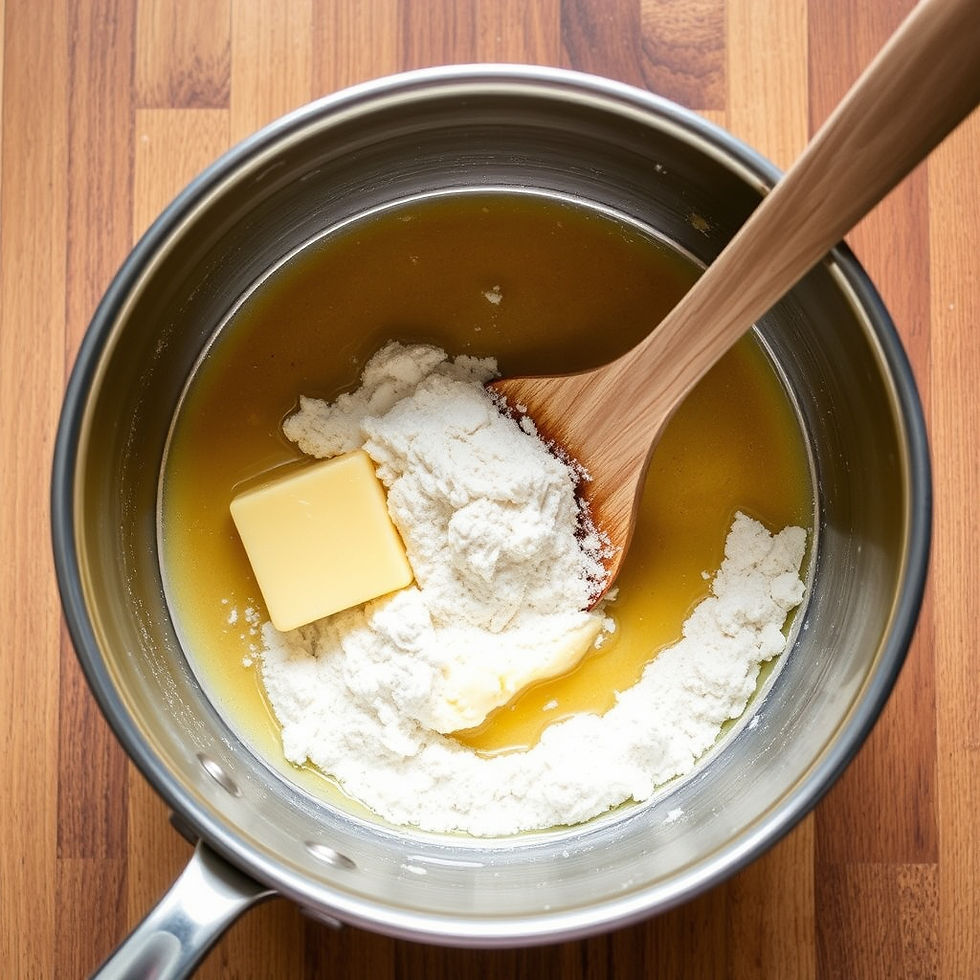
A roux is made by cooking equal parts fat and flour before gradually whisking in liquid.
The longer a roux cooks, the darker it becomes.
White Roux – strongest thickening power with mild flavor.
Blond Roux – lightly toasted with a nutty flavor.
Brown Roux – deeper flavor for gravies.
Dark Roux – classic Cajun gumbo with rich roasted flavor but less thickening ability.
If you're gluten-free, a roux can also be made successfully using white rice flour or a quality gluten-free flour blend.
Quick Reference Guide
Thickener | Gluten-Free? | Best Uses |
Wheat Flour | ❌ No | Gravies, cream sauces, roux |
Gluten-Free Flour Blend | ✅ Yes | Roux, cream sauces |
White Rice Flour | ✅ Yes | Gravies, cheese sauces |
Cornstarch | ✅ Yes | Stir-fries, glossy sauces |
Arrowroot | ✅ Yes | Fruit and citrus sauces |
Tapioca Starch | ✅ Yes | Pie fillings, freezing |
Potato Starch | ✅ Yes | Quick gravies |
Xanthan Gum | ✅ Yes | Dressings, stabilization |
Guar Gum | ✅ Yes | Cold sauces |
Reduction | ✅ Yes | Rich pan sauces without added starch |
My Kitchen Tip
I always keep white rice flour, cornstarch, arrowroot, potato starch, and tapioca starch in my pantry for gluten free baking and cooking. Each serves a different purpose, and knowing when to use each one gives you tremendous flexibility in the kitchen.
If I had to choose just three, they'd be:
White rice flour for gravies and roux
Cornstarch for stir-fries and quick sauces
Arrowroot for delicate sauces and recipes containing lemon juice or other acidic ingredients
Learning a few simple techniques—and choosing the right thickener—can transform your soups, gravies, sauces, and stews from ordinary to exceptional.
Jane's Kitchen Wisdom: Great sauces aren't complicated. They're simply a balance of quality ingredients, proper technique, and choosing the right thickener for the job.
Thank you for reading!
I hope this article gives you more confidence in the kitchen. My mission is to help you prepare delicious, wholesome food using practical techniques and real ingredients. Be sure to explore my other blog posts and Naturally Sweet & Savory digital guides for more recipes, cooking tips, and wellness education.
See you next month!


Comments