


How to Master Zone 2 Training (The Longevity Secret)

by Jane A. Thomas
The Fitness Zone that Changes Everything!
Master Zone 2 Training for a low-to-moderate intensity exercise level, typically around 60-70% of your maximum heart rate, characterized by an effort that feels sustainable and allows you to carry on a conversation without gasping. This aerobic training is beneficial for improving endurance, increasing the number of mitochondria in your cells, and enhancing your body's ability to burn fat for fuel.
Zone 2 training is frequently referred to as Steady-State Cardio or LISS (Low-Intensity Steady State) because the intensity is specifically chosen to maintain a physiological balance in your body for an extended period. For this article I will use "Zone 2".
I first heard about Zone 2 Trai watching a Paul Revelia You Tube Video. It was tough for this type A to believe going slow would do anything for me. After reading and seeing Dr. Peter Attia rave about it, I decided to give it a try. I will detail my initial surprising results below.
How to Know You've Hit that Sweet Spot
Your breathing is elevated but not labored.
You can comfortably hold a conversation, though sentences may be a little choppy.
The pace feels sustainable for long periods.
Muscular fatigue does not accumulate quickly.
Simple Ways to Hit Your Target

Heart Rate Method: Aim for a heart rate between 60-70% of your maximum heart rate (calculated roughly by subtracting your age from 220).
Simple MHR Formula for Zone 2:
Your Zone 2 target range is 60% to $70% of your Maximum Heart Rate (MHR), where MHR is roughly calculated as 220 minus your age
Talk Test: If you can speak in full sentences without gasping for air, you are likely in the correct zone.
Examples: Activities like brisk walking, light jogging, cycling, or swimming are common ways to achieve Zone 2 training, especially for those new to exercise.
The Powerful Payoffs from Training Slowly
Improved Endurance: Increases your stamina by making your body more efficient at using oxygen.
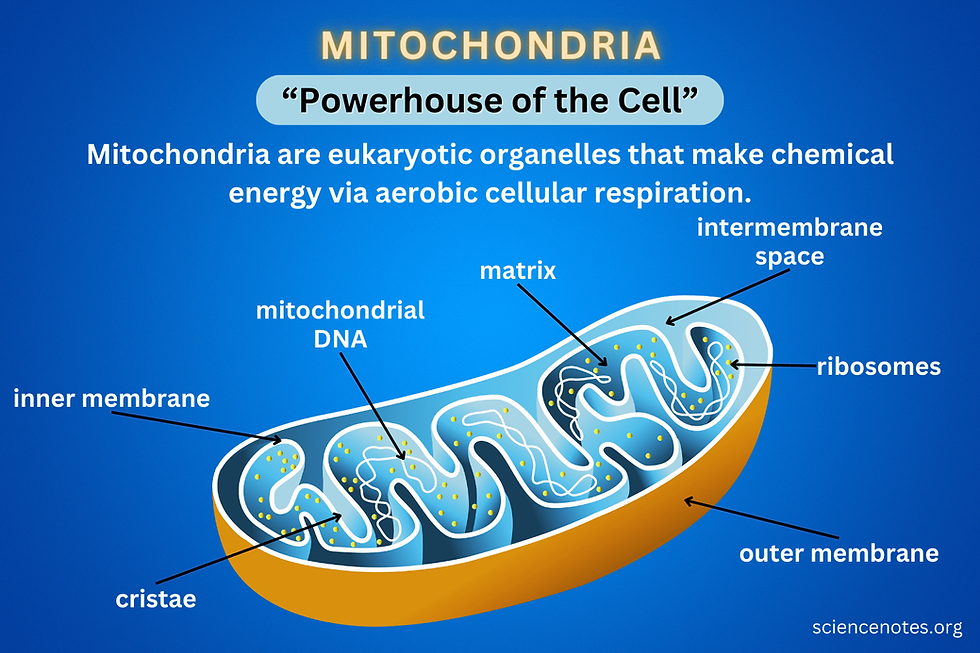
Enhanced Cellular Health: Stimulates the creation of more mitochondria, which are the energy powerhouses of your cells
Increased Fat Burning: Your body becomes more efficient at using fat as its primary fuel source.
Faster Recovery: Lower intensity means less stress on your body and joints, allowing for quicker recovery between workouts.
Builds a Base: Provides a solid aerobic foundation for all types of fitness, including high-intensity training.
What Exercises are good to Master Zone 2 Training Method?

Brisk Walking/Incline Walking
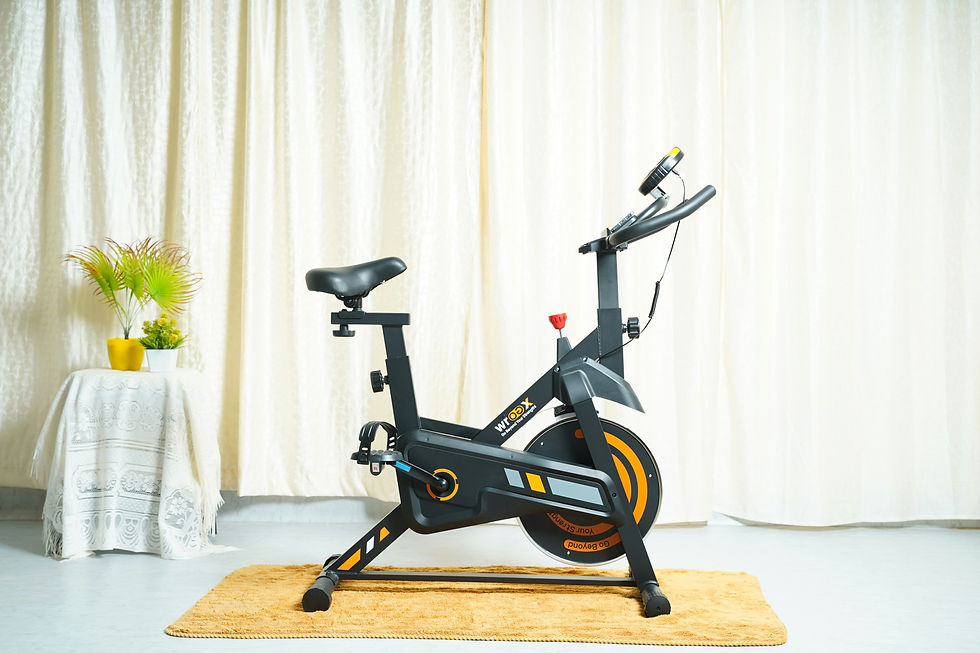
Exercise Bike / Stationary Cycling
Rucking with a Weighted Vest (I love this and do it weekly for 45 m on the treadmill)
Slow Jogging
Elliptical Training
Low-Impact Water Options - slow lap swimming or aqua jogging
Light hiking
Stair Climber/Stair Stepper Machines - heart rate goes up quickly so be mindful of your pace
Zone 2: The Training Choice for Longevity and Healthspan

Zone 2 training is no longer just for competitive athletes. It has become a cornerstone of longevity protocols, championed by medical doctors and fitness researchers worldwide.
Who is embracing Zone 2?
Longevity Seekers: Those focused on long-term health, brain function, and aging well. This is about a better final decade lived with strength, confidence and mental acuity.
High-Volume Athletes: Individuals seeking an effective way to build their aerobic base without the risk of burnout. Your stamina will increase over time.
Busy Professionals: People who need a highly efficient, low-impact method to build systemic resilience.
Why is Zone 2 Essential for Longevity?
Unlike high-intensity training, Zone 2 primarily enhances mitochondrial function—the capacity of your cells to produce energy efficiently. This has profound protective effects on your cardiovascular and metabolic health, leading to greater stamina in old age and reducing the risk of chronic disease and significantly lessening fall risks.
My Zone 2 Journey: The Surprising Discovery

I started my Zone 2 commitment with 30–45-minute brisk walks. When winter weather forced me indoors, I shifted to rucking on the treadmill with 7 lb. added to my weighted vest. My current 45-minute session includes a 10-minute warm-up, a core 20 minutes at 3.0 mph and a 2.5% incline, and a final 10 minutes at a slower pace and zero incline. As an avid exerciser who rarely sweats heavily, I was astounded by the intense perspiration this low-intensity routine produced, proving the deep metabolic work this training accomplishes.
I integrate Zone 2 training 2-3 times weekly, compound weight lifting three times a week, and one weekly SIT workout. With supplemental activities like Qigong and walking, I aim for about 150 minutes of Zone 2 type workouts per week.
Final Call: Stop Chasing Speed
It may feel counterintuitive to slow down, but my own experience and the science from experts like Dr. Peter Attia confirm that Zone 2 is where the fundamental work happens. Stop chasing speed and start building your aerobic base today. Pick a method, find your sweet spot heart rate, and commit to 30 minutes this week. What is your first Zone 2 activity going to be? Share your plans in the comments below!
Further Reading & Scientific Credit
The concept and physiological definition of the training zone now known as Zone 2 is primarily attributed to exercise physiologist Dr. Edward "Ed" Coyle, Ph.D. His foundational research defined the metabolic level where the body maximizes fat oxidation just below the first lactate threshold.
Dr. Peter Attia, M.D., is credited with popularizing Zone 2 training within the longevity and performance community, emphasizing its role in mitochondrial health and longevity which Dr. Attia often refers to as "Healthspan".


Comments